
The HABITABLE Project has evolved from focusing solely on protecting those displaced due to climate change to advocating for timely and effective legal and policy responses. Habitability is essential for the enjoyment of fundamental rights, and human rights serve as vital components of this broader concept. Climate change-induced population movements are challenging to quantify; however, a human rights-based approach (HRBA) is crucial in addressing both migration and internal displacement. This approach promotes and protects rights based on internationally recognized standards, ensuring dignity, safety, and livelihoods of all individuals, regardless of migration status.
A comprehensive legal framework addressing climate-related human mobility is still lacking, primarily due to the challenge of defining “climate migrant.” Most existing international, regional, and subregional frameworks were drafted before climate change became a central issue, and local frameworks are difficult to replicate across different contexts. To manage migration driven by climate impacts and reduce displacement, a human rights- based approach (HRBA) is essential for ensuring habitability.
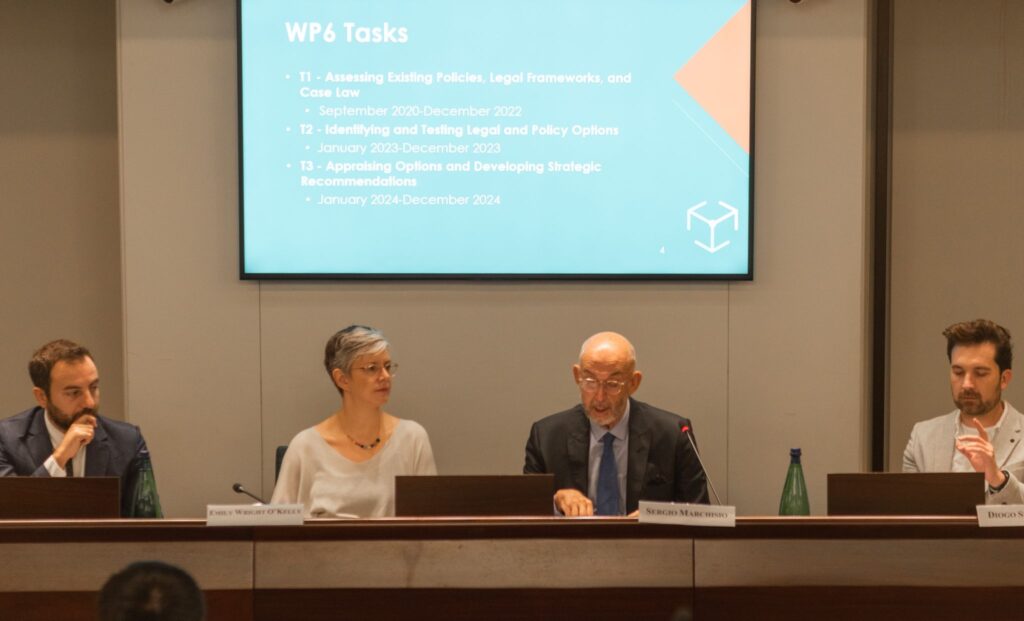
Guiding questions of the event:
These questions are designed to stimulate reflection on the key issues addressed by the HABITABLE project and foster a comprehensive dialogue among participants:
– How can international frameworks be adapted to better address the specific challenges of climate-induced mobility and displacement?
– From your organization’s perspective, how can regional cooperation be strengthened to manage climate mobility while safeguarding fundamental human rights?
– How can data collection be improved to ensure legal frameworks accurately reflect distinctions between external migration and internal displacement?
– What strategies can civil society organizations use to ensure climate-displaced persons have access to legal protections and essential services, regardless of their migratory status?
– How can public awareness campaigns reshape narratives on climate mobility to reduce stigma and promote positive policy reforms?
– How can a human rights-based approach be embedded in national and international legal frameworks to fully protect the rights and dignity of climate- displaced persons? What actions should be prioritized?
– How can the relationship between social tipping points and habitability be further explored, and what are its implications for future mobility patterns?
– How can governments better assess when a region has become uninhabitable due to climate change? What legal frameworks can determine when relocation or migration becomes necessary?
– How can regions like the EU, Africa, and the Pacific harmonize legal standards for managing climate mobility, while accounting for local realities? What lessons from regional approaches can be applied globally?
– Should the UN 1998 Guiding Principles on Internal Displacement be updated to better reflect today’s climate/displacement challenges