The event
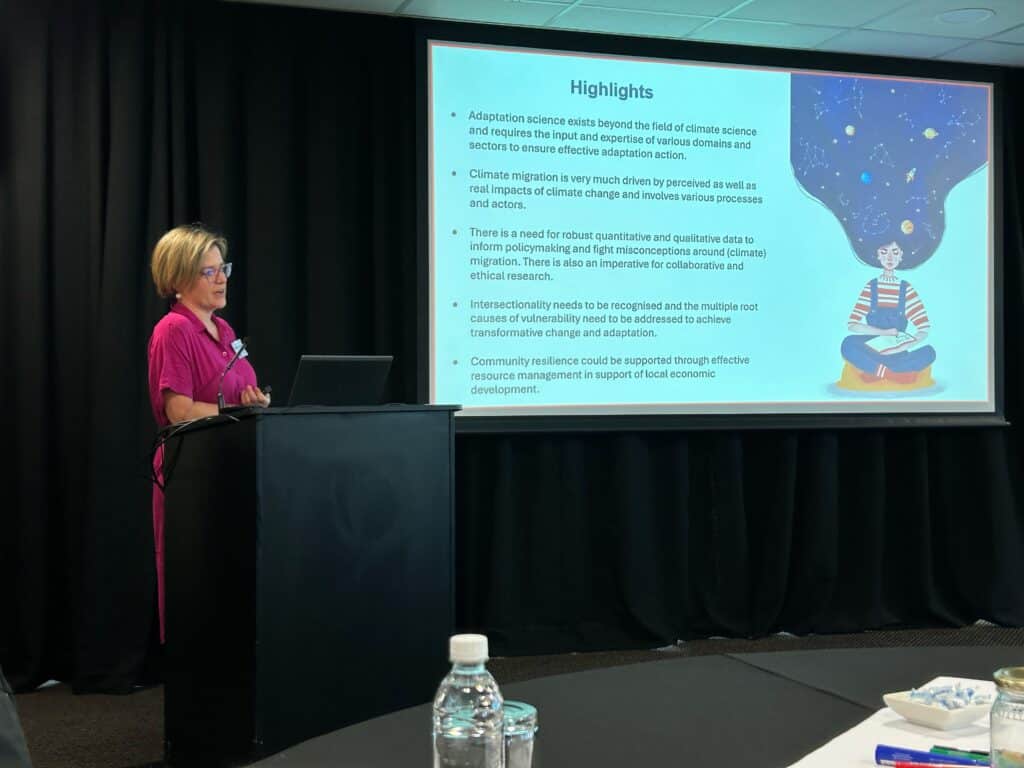
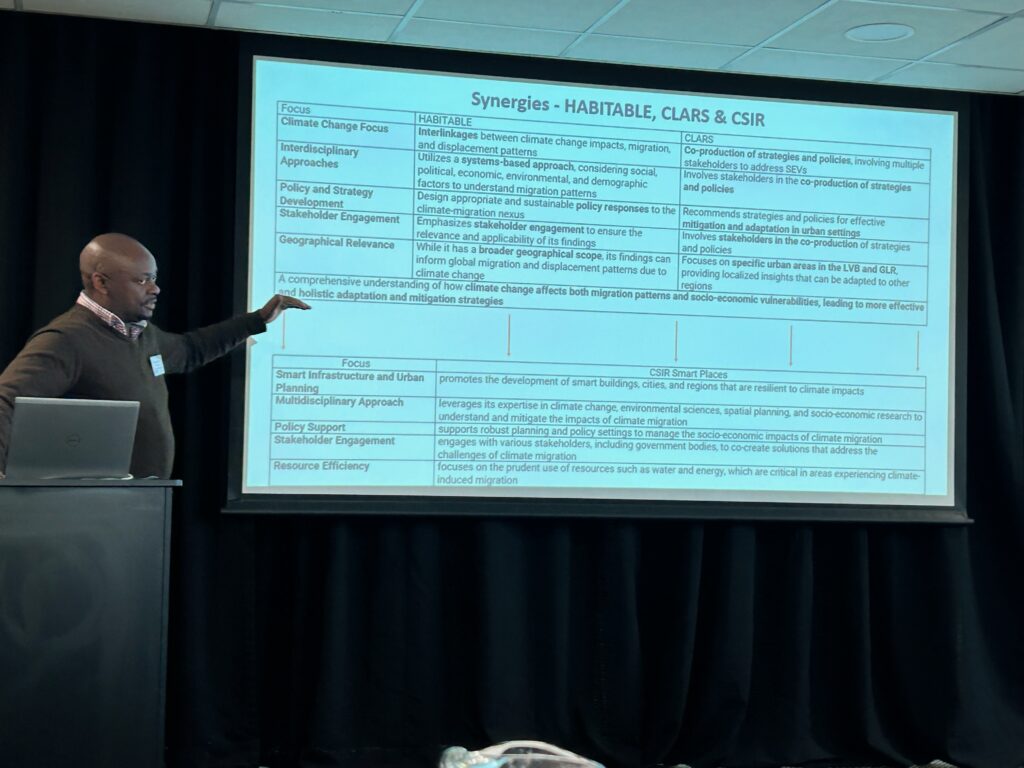
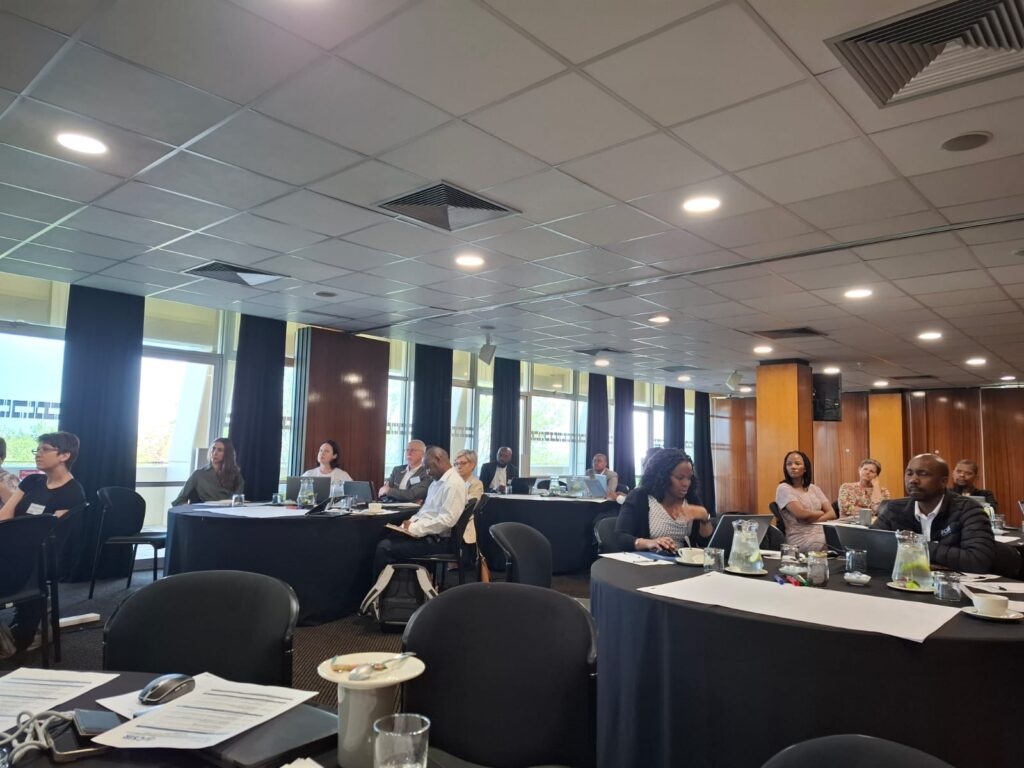
CSIR, as a proud partner of the Horizon 2020 HABITABLE project, hosted a two-day interdisciplinary policy adaptation event. This event showcased recent innovations and findings from the HABITABLE project and the CSIR Smart Places cluster, exploring their implications for climate change adaptation policy. Presentations focused on key interdisciplinary concepts that affect the habitability of social, ecological, and economic systems. Topics included the impact of climate change on mobility and migration, gender and equity, urban and rural settlement design, and climate change adaptation.
All presentations made during the event are available here.
Background
Climate change is fundamentally reshaping our world by intensifying poverty and inequality while exerting complex, far-reaching impacts on socioeconomic development. It disrupts economic activities, diminishes the capacity of ecosystems to deliver services, challenges the resilience of communities, and impacts habitability. Habitability refers to the inherent capacity of social, ecological, and economic systems to sustain and nurture the lives and livelihoods of their populations. As a signatory to the Paris Agreement, South Africa recently enacted The Climate Change Bill into law on 23 July 2024. The Act aims to enhance South Africa’s capacity to cope with climate change, by not only reducing greenhouse gas emissions but also promoting climate- resilient social, ecological, and economic systems.
Although significant progress has been made in climate change adaptation research and policy over the last two decades, much of it has been implemented in isolation within specific sectors or departments (Khavhagali et al., 2023). This lack of coordination and integration has led to overlaps, inefficiencies, and gaps in policy coverage.
The National Climate Change Adaptation Strategy (NCCAS, 2019) was developed as a guiding document for all sectors, to operate within a shared vision: “To transition to a climate-resilient South Africa, following a sustainable development path guided by anticipation, adaptation, and recovery from a changing climate and environment to achieve our development aspirations” (Department of Environment, Forestry & Fisheries, 2019).
This interdisciplinary event showcased research and innovations from diverse fields, highlighting the crucial interconnections between climate change adaptation and habitability. By fostering a deeper understanding of these links, the event informed and guided the development of future climate change adaptation policies to promote a resilient, inclusive, and sustainable society.